
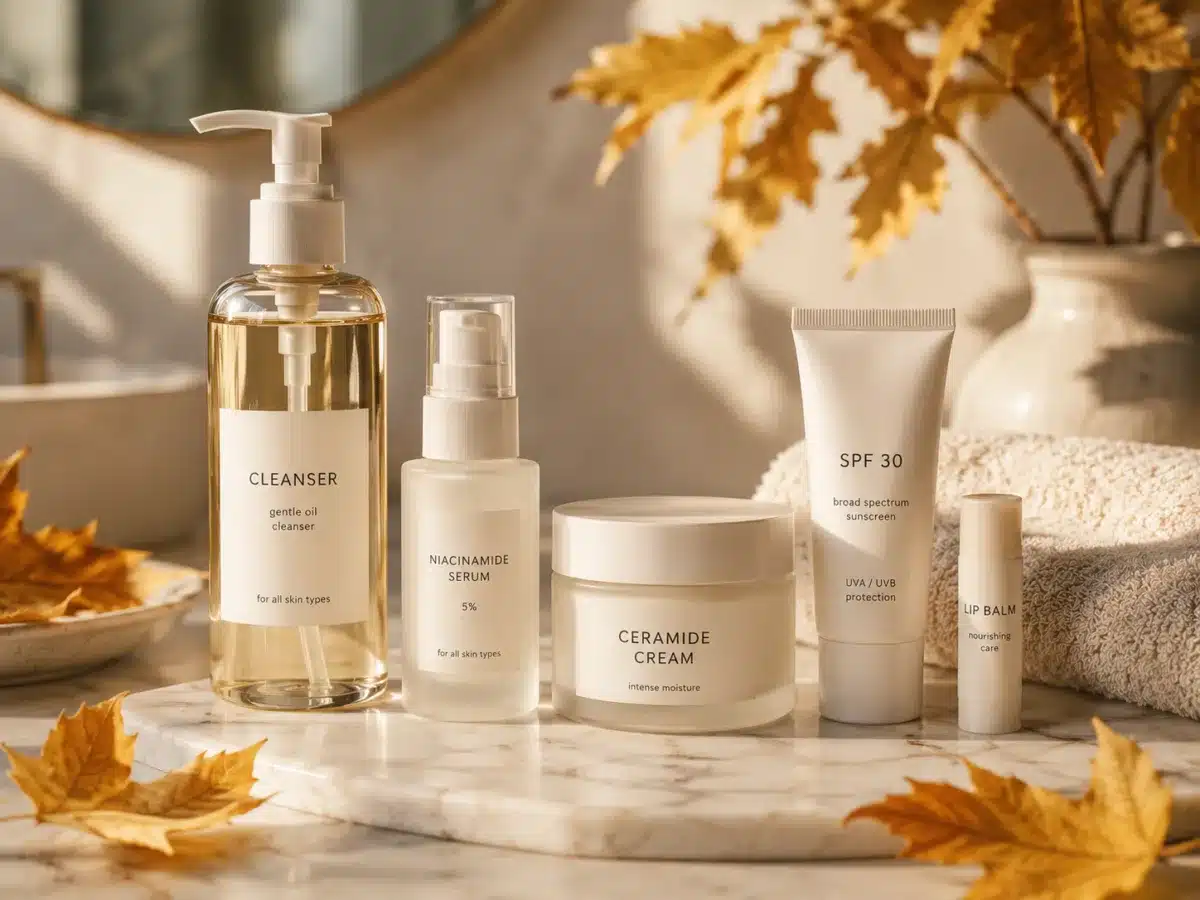
After summer, many people notice their skin behaving differently than it did in July: tight, flaky, or easily irritated. This guide breaks down what actually happens to your skin during autumn and how to adjust your skincare routine—backed by science and filled with practical tips.
Brief Summary | Autumn Skincare 2026
- Dry indoor air in the autumn can compromise your skin’s natural moisture retention capacity [1].
- Moisturizers formulated with ceramides and niacinamide are among the most thoroughly researched options for barrier repair.
- Keep using sunscreen also during autumn; your need for daily SPF will naturally taper off as days get darker.
- Active ingredients (like retinol and exfoliating acids) can be reintroduced gradually if you paused them over summer.
- Your skin type dictates the final routine, no single rule works identically for everyone.
This guide provides general information and is not a substitute for professional medical or dermatological advice.
Why Your Skin Acts Up in Autumn | What the Science Shows
Dermatological studies show that the outermost layer of human skin retains moisture most effectively at around 60% relative humidity [2], which aligns closely with typical summer conditions. When relative humidity drops below this threshold, as it does in cold autumn weather and heated indoor spaces, the skin’s ability to stay hydrated decreases rapidly.
In a clinical study conducted in Korea, healthy female subjects were exposed to heated indoor air for six hours during winter. Researchers observed a significant increase in transepidermal water loss on their arms in as little as a single workday [3].
Key takeaway: The same study demonstrated that applying a ceramide-enriched moisturizer helped preserve skin elasticity and smoothness better than leaving the skin untreated [3].
In practice, this means: Autumn is the ideal time to re-evaluate your full routine rather than sticking with light summer formulas.
1. Cleansing: Skin Feeling Tight? Time to Switch Cleansers
During summer, many people rely on foaming or deep-cleansing products to remove sweat, heavy sunscreen, and excess sebum. However, your skin’s needs shift as temperatures drop. That tight, uncomfortable sensation post-wash is often a sign that your cleanser is stripping your moisture barrier. Gentle cleansing preserves natural protective lipids, whereas harsh soaps or over-washing worsen dryness and irritation [4, 5].
Tailor your cleansing habits to your specific skin type. If your face feels dry or sensitive in autumn, water-only morning rinses may suffice for dry, sensitive, or normal skin types. You can then reserve your dedicated cleanser for the evening to remove daily buildup, SPF, and makeup. If you have oily or acne-prone skin, a morning wash still helps control overnight sebum production. Switching from a foaming gel to a gentle cream or milk cleanser can make a noticeable difference [4, 5].
- Wash with lukewarm water instead of hot water, as high temperatures accelerate moisture evaporation from the skin barrier [5].
- Double cleansing (oil-based cleanser followed by a water-based cleanser) works wonders for removing stubborn makeup or water-resistant sunscreen [6], though it isn’t mandatory every night.
- If your skin feels compromised, avoid harsh physical scrubs and opt for non-stripping cleanser formulations [7].
2. Hydration: Key Science-Backed Ingredients to Know
Clinical trials consistently show that ceramide-infused creams boost water retention and restore the skin barrier, especially in dry skin conditions [8, 9]. Similarly, a 12-week clinical evaluation on niacinamide demonstrated that a 5% niacinamide formulation noticeably reduced facial redness, hyperpigmentation, fine lines, and surface roughness compared to a cream without it [10]. Literature reviews also highlight niacinamide’s role in reinforcing intercellular matrix integrity [11].
Choosing a moisturizer containing both ceramides and niacinamide offers a research-backed strategy for autumn skin resilience. While individual results vary, the evidence supporting these two ingredients remains strong.
Proven ingredients for your autumn hydration routine:
- Ceramides (INCI: e.g., Ceramide NP, Ceramide AP, Ceramide EOP) – replenish essential lipid barriers [8, 9].
- Niacinamide (INCI: Niacinamide) – calms redness, evens skin tone, and supports barrier strength [10, 11].
- Hyaluronic Acid (INCI: Sodium Hyaluronate or Hydrolyzed Hyaluronic Acid) and Squalane (INCI: Squalane) – humectants and emollients that complement ceramide and niacinamide formulas.
Misaij’s Recommended Niacinamide Serums 🤍
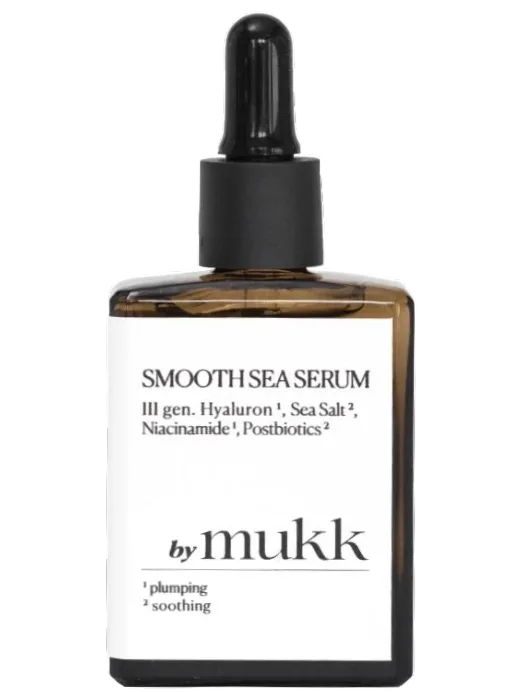
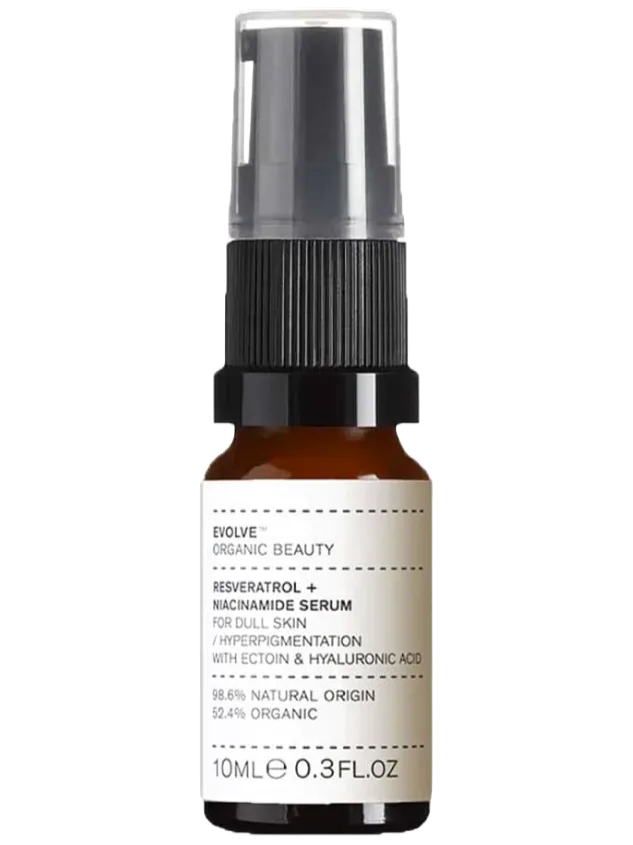
Tip: To see if your skincare features these active ingredients, check the INCI list on the package. Ingredients are listed in descending order by concentration down to 1%. An ingredient listed near the top generally indicates a higher concentration, though even smaller percentages of key actives can yield impressive results.
3. Autumn Sun Protection: Is Daily SPF Still Necessary?
It’s tempting to put away sunscreen as soon as the weather turns crisp and the sun no longer feels burning hot. However, sun protection remains relevant through autumn, UV radiation can still reach levels high enough to damage unprotected skin well into autumn [12].
The burning sensation we feel on our skin comes primarily from UVB rays. In contrast, UVA rays, responsible for premature skin aging and deep cellular damage, are present year-round and penetrate through clouds and glass unfelt. Research shows that UVA exposure activates collagen-degrading enzymes, leading to loss of elasticity and fine lines over time [13, 14].
Rule of thumb: Keep applying a lightweight broad-spectrum SPF on bright autumn days, especially if you spend extended time outdoors. As winter approaches and daylight hours shorten, daily necessity diminishes until spring arrives.
Summary: Sunscreen isn’t exclusively for summer. Transition your usage gradually rather than stopping abruptly at the first sign of autumn.
Misaij’s Facial Sunscreen Picks 🤍

Nivea Sun UV Face Sensitive Cream SPF 50+
A hydrating, gentle daily sunscreen ideal for sensitive skin types.
Price €11.85 / 40ml
Shop Online at Cocopanda

Isntree Hyaluronic Acid Watery Sun Gel
A highly rated, lightweight facial sunscreen with superior hydration.
Price €21.90 / 50ml
Shop Online at Cocopanda
4. Don’t Forget Lips and Hands
Cold winds and dry air quickly take a toll on hands and lips, which are frequently left out of facial care routines. Lip tissue lacks oil glands, making it particularly prone to chapping in cold weather. Clinical testing confirms that regular application of protective lip balms significantly restores moisture balance and heals cracked lips [15]. Incorporating richer hand creams and lip treatments before noticeable dryness occurs prevents painful cracking throughout the season.
Misaij’s Lip Care Picks 🤍

Burt’s Bees Lip Balm Beeswax
A classic, naturally nourishing lip balm infused with beeswax and vitamin E.
Price €5.65
Shop Online at Cocopanda

Nudeskin Hydra-Peptide Lip Butter
A vegan, peptide-rich lip butter that delivers intense moisture with a subtle shine.
Price €20.90
Shop Online at Cocopanda
5. Using Active Ingredients in Autumn
Retinoids, AHAs, and BHAs can heighten sun sensitivity and occasionally cause transient peeling or redness during early application. Retinol is widely praised for accelerating cell turnover and smoothing fine lines [16]. AHAs exfoliate dead surface cells to brighten dull skin tone, while oil-soluble BHAs penetrate pores to clear out congestion, making them ideal for acne-prone skin types [17, 18].
Autumn and winter are ideal seasons to start potent treatments since ambient UV index levels are lower. Standard dermatological protocols recommend introducing new retinoids gradually, such as two nights a week initially, slowly increasing frequency as your skin builds tolerance [19].
6. Tailoring Your Routine to Your Skin Type
While these general strategies benefit most people, your specific skin type determines how extensive your autumn updates should be. Dry skin thrives on richer creams rich in lipid-replenishing ceramides [8, 9]. Oily or combination skin responds best to lightweight gel-creams or hydrating lotions that restore water balance without clogging pores. If you have sensitive skin, swap or add one product at a time to easily isolate any potential triggers.
Autumn Skincare FAQs
Do I really need a completely new skincare routine for autumn? Not necessarily. You don’t need an entire product overhaul, just focus on shifting priorities toward barrier repair and richer hydration, while stepping down heavy sun protection as daylight hours decrease.
Do I need sunscreen during dark winter months? Daily application isn’t strictly necessary for indoor office days in low-UV regions [20]. However, keep SPF handy if traveling to sunny destinations or spending long days outdoors on snow-covered surfaces.
Why does my skin feel tight immediately after cleansing in autumn? Tightness usually indicates that your summer facial cleanser is stripping away essential natural oils now that ambient air humidity has dropped.
How long does it take to see results from a new skincare routine? It varies by active ingredient. For example, clinical studies on 5% niacinamide observed measurable improvements in skin tone and redness after 12 weeks of consistent use [10]. Patience is key!
Final Thoughts
Updating your autumn skincare routine doesn’t require a total overhaul. Scientific research highlights two primary priorities: incorporating lipid-rich creams featuring ceramides and niacinamide, and maintaining basic sun protection through early autumn [12]. Beyond these core habits, adjust your cleansers, active ingredients, and body care to suit your unique skin needs. For persistent skin concerns, always consult a certified dermatologist or licensed skincare expert.
References
[1] Engebretsen, K. A., Johansen, J. D., Kezic, S., Linneberg, A., & Thyssen, J. P. (2016). The effect of environmental humidity and temperature on skin barrier function and dermatitis. Journal of the European Academy of Dermatology and Venereology, 30(2), 223–249. https://pubmed.ncbi.nlm.nih.gov/26449379/
[2] Vyumvuhore, R., et al. (2013). Effects of atmospheric relative humidity on Stratum Corneum structure at the molecular level: ex vivo Raman spectroscopy analysis. Analyst, 138(14), 4103–4111. https://pubs.rsc.org/an/article-abstract/138/14/4103/387034
[3] Park, E.H., et al. (2023). Effects of winter indoor environment on the skin: Unveiling skin condition changes in Korea. Skin Research and Technology. https://www.ncbi.nlm.nih.gov/pmc/articles/PMC10264749/
[4] Mukhopadhyay, P. (2011). Cleansers and their role in various dermatological disorders. Indian Journal of Dermatology, 56(1), 2–6. https://www.ncbi.nlm.nih.gov/pmc/articles/PMC3088928/
[5] American Academy of Dermatology Association. (n.d.). Face washing 101. https://www.aad.org/public/everyday-care/skin-care-basics/care/face-washing-101
[6] Chen, W., He, M., Xie, L., Li, L., Zhao, J., Jiang, M., & Wang, Y. (2020). The optimal cleansing method for the removal of sunscreen: Water, cleanser or cleansing oil? Journal of Cosmetic Dermatology, 19(1), 180–184. https://pubmed.ncbi.nlm.nih.gov/31199529/
[7] Rodan, K., Fields, K., Majewski, G., & Falla, T. (2016). Skincare Bootcamp: The Evolving Role of Skincare. Plastic and Reconstructive Surgery Global Open, 4(12), e1152. https://www.ncbi.nlm.nih.gov/pmc/articles/PMC5172479/
[8] Aich, B., et al. (2024). Clinical evaluation of a topical ceramide lotion on skin hydration and skin barrier in healthy volunteers with dry skin. CosmoDerma. https://cosmoderma.org/clinical-evaluation-of-a-topical-ceramide-lotion-on-skin-hydration-and-skin-barrier-in-healthy-volunteers-with-dry-skin/
[9] Yong, E., et al. (2025). Ceramides and Skin Health: New Insights. Experimental Dermatology. https://onlinelibrary.wiley.com/doi/full/10.1111/exd.70042
[10] Bissett, D.L., et al. (2004). Topical niacinamide reduces yellowing, wrinkling, red blotchiness, and hyperpigmented spots in aging facial skin. International Journal of Cosmetic Science / JAAD. https://www.jaad.org/article/S0190-9622(04)02915-9/fulltext
[11] Mechanistic Basis and Clinical Evidence for the Applications of Nicotinamide (Niacinamide) to Control Skin Aging and Pigmentation. (2021). https://www.ncbi.nlm.nih.gov/pmc/articles/PMC8389214/
[12] Ilmatieteen laitos. (n.d.). UV-säteily. https://www.ilmatieteenlaitos.fi/uv-sateily
[13] Fisher, G.J., et al. (1997). Pathophysiology of Premature Skin Aging Induced by Ultraviolet Light. New England Journal of Medicine. https://www.nejm.org/doi/full/10.1056/NEJM199711133372003
[14] Battie, C., et al. (2014). New insights in photoaging, UVA induced damage and skin types. Experimental Dermatology. https://onlinelibrary.wiley.com/doi/10.1111/exd.12388
[15] Ichikawa, S., et al. (2017). The efficacy of a lip balm containing pseudo-ceramide on the dry lips of sensitive skin-conscious subjects. Journal of Cosmetic Dermatology, 16(4), 482–488. https://pubmed.ncbi.nlm.nih.gov/28488347/
[16] Mukherjee, S., Date, A., Patravale, V., Korting, H. C., Roeder, A., & Weindl, G. (2006). Retinoids in the treatment of skin aging: An overview of clinical efficacy and safety. Clinical Interventions in Aging, 1(4), 327–348. https://www.ncbi.nlm.nih.gov/pmc/articles/PMC2699641/
[17] Tang, S. C., & Yang, J. H. (2018). Dual Effects of Alpha-Hydroxy Acids on the Skin. Molecules, 23(4), 863. https://www.ncbi.nlm.nih.gov/pmc/articles/PMC6017965/
[18] Arif, T. (2015). Salicylic acid as a peeling agent: A comprehensive review. Clinical, Cosmetic and Investigational Dermatology, 8, 455–461. https://www.ncbi.nlm.nih.gov/pmc/articles/PMC4554394/
[19] American Academy of Dermatology Association. (n.d.). Retinoid or retinol? A guide to treating your skin. https://www.aad.org/public/everyday-care/skin-care-secrets/anti-aging/retinoid-retinol
[20] Säteilyturvakeskus (STUK). (n.d.). Näin suojaudut auringolta. https://stuk.fi/nain-suojaudut-auringolta